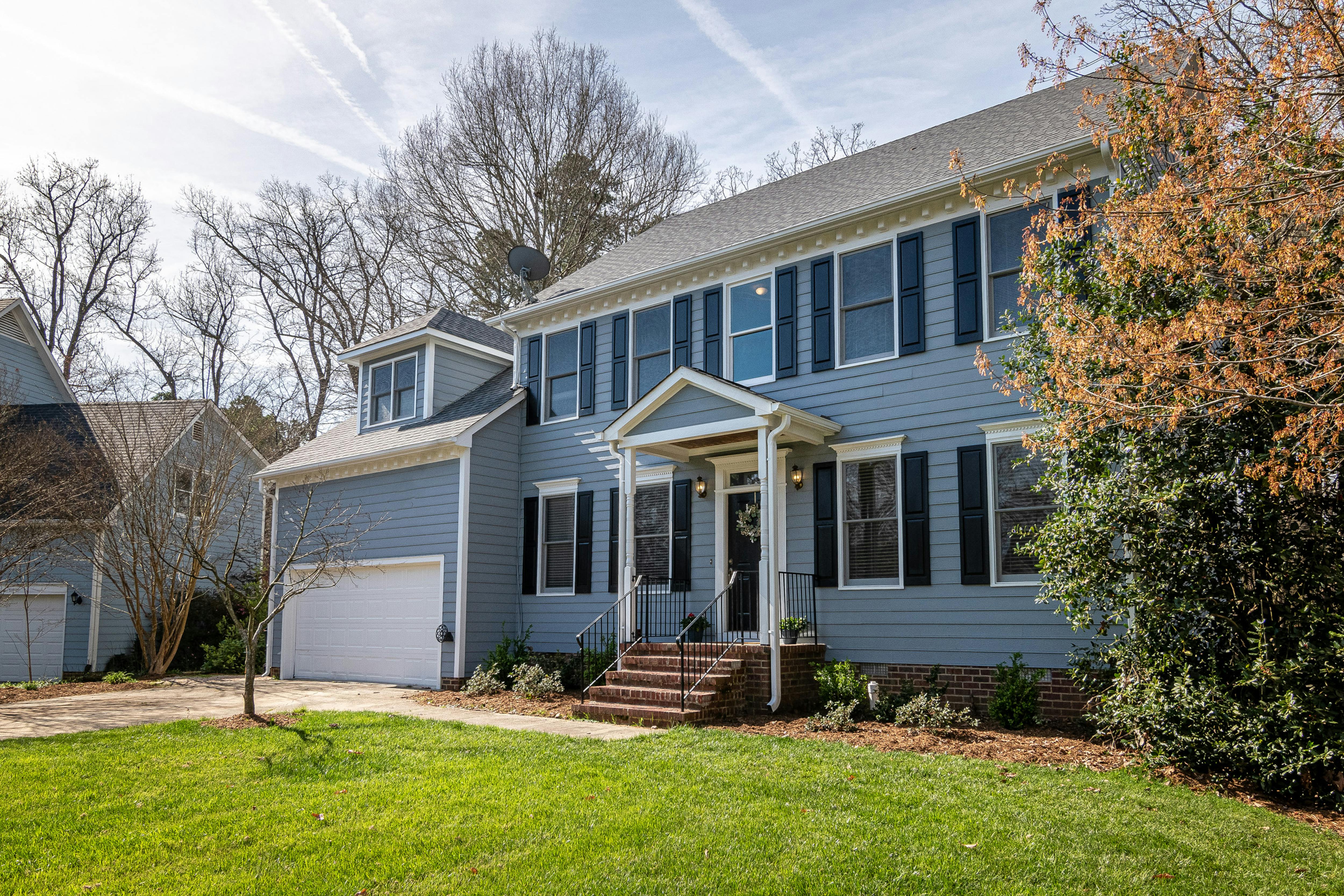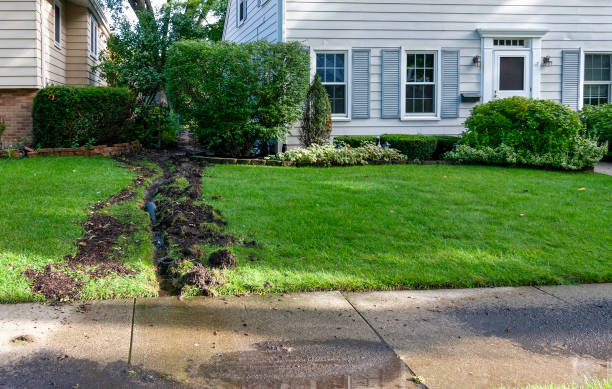
Creating a garden that feels both inviting and functional requires more than just a green thumb. Professional landscaping services combine horticultural knowledge, design principles, and technical expertise to transform ordinary outdoor spaces into personalized retreats. By integrating thoughtful layout, appropriate plant selection, and sustainable practices, a well-planned garden can enhance curb appeal, increase property value, and provide a lasting source of enjoyment for years to come.
Why Choose Professional Landscaping?
While DIY projects can be rewarding, a professional approach offers several distinct advantages:
- Design Cohesion: Experts assess site conditions, soil type, sun exposure, and drainage, to create a unified design that flows naturally.
- Time Efficiency: Skilled crews handle planning, procurement, and installation, reducing project timelines.
- Long-Term Sustainability: Proper plant selection and irrigation planning minimize water use and maintenance needs.
- Regulatory Compliance: Professionals ensure that any grading, retaining walls, or electrical work meets local codes.
Key Elements of a Successful Landscape Project
Site Analysis and Planning
A thorough site analysis forms the foundation of any project. This includes evaluating slope, existing vegetation, and micro-climates. For detailed guidance on how to conduct an effective assessment, Discover expert strategies here.
Design Development
Once the analysis is complete, designers develop concept sketches and 3-D renderings to visualize the final outcome. Important considerations include:
- Traffic flow and pedestrian pathways.
- Balance between hardscape (patios, walkways) and softscape (plants, lawns).
- Seasonal interest, ensuring color and texture throughout the year.
For inspiration on integrating hardscape features with native planting, Explore advanced guides and tips.
Plant Selection and Installation
Choosing the right plants is crucial for both aesthetics and resilience. Professionals prioritize species that thrive in local conditions, reducing the need for excessive watering or chemical inputs. Installation includes proper soil amendment, mulching, and staking to promote healthy growth.
Irrigation and Water Management
Efficient irrigation systems, such as drip lines and smart controllers, conserve water while delivering moisture directly to plant roots. Incorporating rain gardens and permeable paving further enhances drainage and reduces runoff. Detailed information on sustainable water solutions can be found at Learn about our tailored solutions.
Enhancing Outdoor Living Spaces
Modern landscaping extends beyond plantings to create functional outdoor rooms. These areas can serve as extensions of indoor living, offering spaces for entertainment, relaxation, and recreation.
- Patios and Decks: Use durable materials like natural stone or composite decking for longevity.
- Outdoor Kitchens: Incorporate grills, countertops, and storage for seamless cooking al fresco.
- Fire Features: Fire pits or built-in fireplaces provide warmth and ambiance for evening gatherings.
- Lighting: Strategically placed LED fixtures highlight focal points and improve safety after dark.
For a deeper dive into designing multifunctional outdoor rooms, Find out more about this approach.
Maintenance Strategies for Longevity
Even the most expertly crafted garden requires ongoing care. A maintenance plan typically includes seasonal pruning, fertilization, pest management, and irrigation checks. Professional services often offer scheduled visits to ensure the landscape remains healthy and visually appealing.
- Quarterly soil testing to adjust nutrient applications.
- Bi-annual pruning to maintain shape and encourage flowering.
- Regular inspection of irrigation components for leaks or clogs.
- Integrated pest management that emphasizes biological controls.
Cost Considerations and Return on Investment
Investing in professional landscaping is a strategic financial decision. While upfront costs vary based on scope, materials, and site complexity, the long-term benefits often outweigh the expense:
- Increased property resale value, well-designed gardens can add 5-15% to a home’s market price.
- Energy savings through strategic tree placement that provides shade in summer and windbreaks in winter.
- Reduced water bills due to efficient irrigation and drought-tolerant planting.
For a comprehensive overview of budgeting and ROI, consult the resource at Discover expert strategies here.
Conclusion
Transforming a garden into a functional, beautiful, and sustainable space is best achieved through the expertise of professional landscapers. By leveraging detailed site analysis, thoughtful design, appropriate plant selection, and ongoing maintenance, homeowners can enjoy an outdoor environment that reflects their lifestyle while adding lasting value. Exploring reputable services and resources, such as those offered at the referenced website, provides the guidance needed to embark on a successful landscaping journey.
About the Author