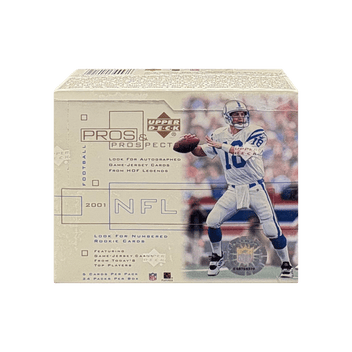
Collecting vintage trading cards is more than a hobby; it is a journey through the history of sport, culture, and design. Each card tells a story, whether it captures a rookie’s first appearance, showcases a legendary performance, or reflects the artistic trends of its era. For enthusiasts seeking depth, authenticity, and a curated selection, a reputable sports memorabilia store offers a gateway to the most sought-after pieces. This guide explores the top categories, key factors to consider, and practical tips for building a distinguished vintage collection.
Why Vintage Trading Cards Remain Valuable
Vintage cards differ from modern releases in several fundamental ways that contribute to their lasting appeal and market value:
- Historical Significance: Cards from the 1950s-1980s capture pivotal moments and early careers of athletes who later became icons.
- Limited Production: Early printing techniques and smaller print runs mean fewer copies survive today.
- Artistic Merit: Hand-drawn illustrations, unique typography, and vintage printing methods create a distinct aesthetic.
- Collector Demand: Established demand from seasoned collectors drives steady price appreciation.
Key Categories to Explore
Rookie Cards
Rookie cards are the cornerstone of any serious vintage collection. They represent the first official appearance of a player on a card and often command the highest premiums.
- Trading Card Store listings frequently highlight iconic rookie cards such as 1952 Topps Mickey Mantle, 1979-80 O-Pee-Chee Wayne Gretzky, and 1986 Fleer Michael Jordan.
- Condition is paramount; a card graded PSA 9 or higher can be worth exponentially more than an ungraded counterpart.
- Authenticity verification through third-party grading services mitigates the risk of counterfeits.
All-Star and Hall of Fame Sets
All-Star cards and Hall of Fame releases commemorate peak achievements and often feature special designs, foil accents, or limited editions.
- 1970 Topps Baseball All-Star series introduced a premium subset that remains highly collectible.
- 1977 Topps Basketball Hall of Fame cards showcase early NBA legends with a distinctive gold foil border.
- These cards are frequently highlighted in an Online Sports Card Store for collectors focusing on legacy athletes.
Insert and Parallel Cards
Insert cards, often inserted randomly into packs, offer rarity and thematic variety. Parallel cards, identical in design but with different colors or serial numbers, add another layer of scarcity.
- 1975 Topps Baseball “Super Bowl” inserts feature vibrant artwork and limited runs.
- 1985 Fleer “Gold” parallels are prized for their metallic finish and low serial numbers.
- Specialty sections of a Sports Memorabilia Store may group these items for easy browsing.
Evaluating Card Condition
Condition determines both market value and long-term preservation potential. The industry standard grading scale (PSA, BGS, SGC) assesses cards on a 1-10 scale, with 10 representing a gem-mint state.
- Centredness: The image should be evenly positioned within the borders.
- Edges: Look for clean, unfrayed edges; any nicks reduce the grade.
- Surface: Absence of scratches, stains, or print defects is essential.
- Corners: Sharp, unrounded corners indicate minimal handling.
When purchasing, request high-resolution images that display each of these aspects. Reputable sellers often provide a grading certificate or a detailed condition description.
Authentication and Provenance
Authenticating vintage cards safeguards against forgeries, a growing concern in the market. Provenance, documentation of a card’s ownership history, adds credibility and can enhance value.
- Utilize established grading services (PSA, BGS) that embed tamper-evident labels.
- Seek sellers who disclose acquisition sources, whether from estate sales, auctions, or private collections.
- Maintain a personal inventory log with photographs, grading details, and purchase receipts.
Building a Cohesive Collection
Strategic acquisition ensures a balanced, meaningful collection that reflects both personal passion and market potential.
Start with a Theme
- Focus on a single sport (baseball, basketball, football) or a specific era (Golden Age of Baseball, 1970s NBA).
- Consider a player-centric approach, gathering rookie, All-Star, and Hall of Fame cards of a favorite athlete.
Mix High-Value Anchors with Affordable Fillers
- Invest in a few premium pieces, such as a graded 1952 Topps Mantle, to anchor the collection’s value.
- Complement these with lower-grade or less-rare cards that still hold historical interest.
Leverage Online Resources
Educational blogs, price guides, and community forums provide insight into trends and pricing. An Online Sports Card Store often features articles and market analysis that help collectors make informed decisions.
Preservation Best Practices
Proper storage protects cards from environmental damage and maintains their condition over decades.
- Use acid-free sleeves and top-loaders for individual protection.
- Store cards in a climate-controlled environment (temperature 65-70??F, humidity 40-50%).
- Avoid direct sunlight, which can cause fading and warping.
- Consider a dedicated display case with UV-filter glass for showcase pieces.
Conclusion
Exploring vintage trading cards offers a rewarding blend of history, artistry, and investment potential. By understanding key categories, evaluating condition meticulously, and adhering to proven preservation methods, collectors can assemble a portfolio that stands the test of time. Whether browsing a dedicated Sports Card Store or researching through an Online Sports Card Store, the journey is enriched by expertise, authenticity, and a genuine appreciation for the legacy embedded in each card.
About the Author