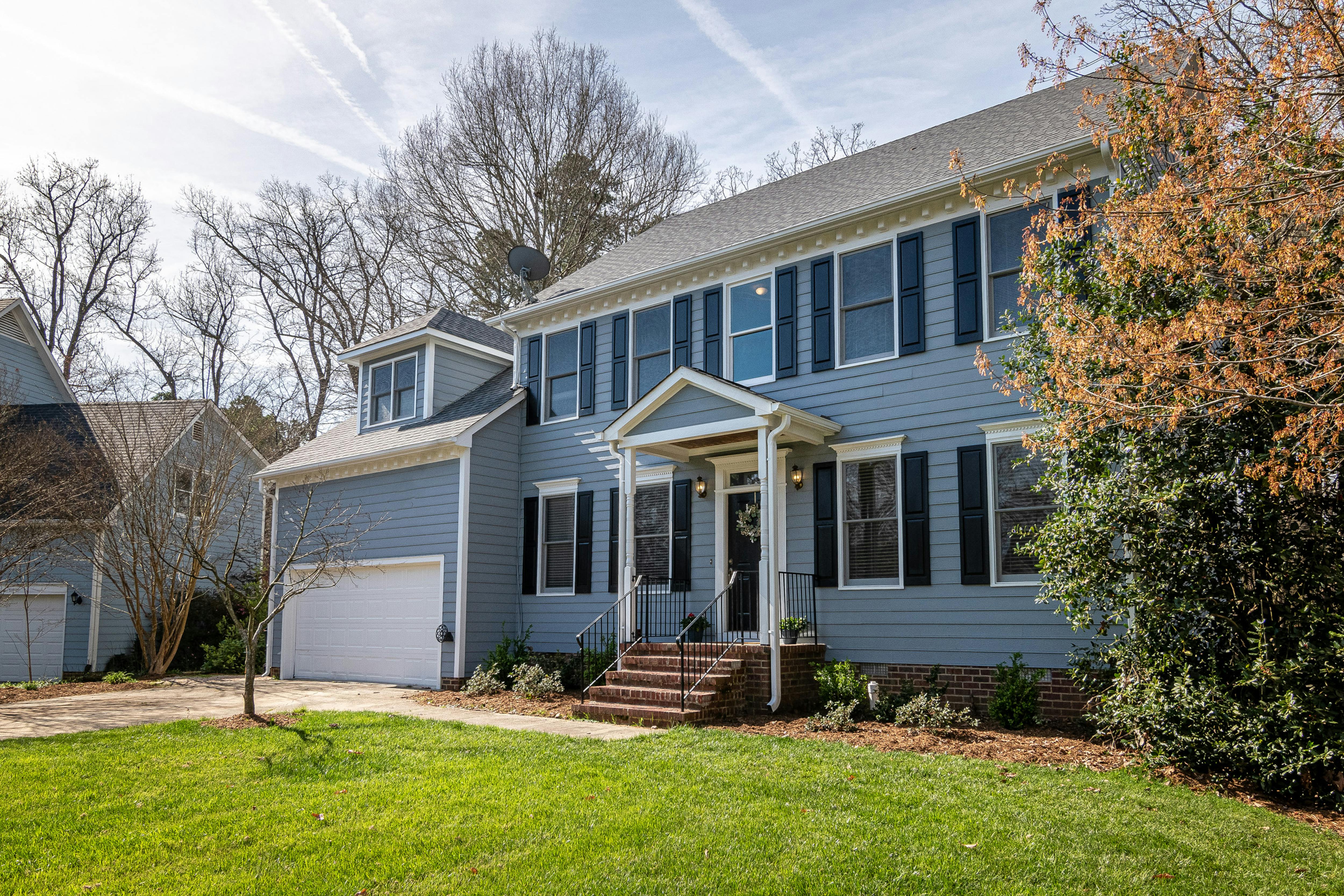
Soft washing has emerged as a preferred method for cleaning exterior surfaces in humid climates such as Houston. Unlike traditional pressure washing, soft washing relies on low-pressure water combined with specially formulated cleaning solutions to safely remove mold, mildew, algae, and other contaminants without damaging delicate substrates. This approach is especially valuable for preserving the integrity of roofing materials, painted siding, and ornamental woodwork while delivering a deep, long-lasting clean. Understanding the principles, benefits, and best practices of soft washing helps property owners make informed decisions about maintaining curb appeal and structural health.
How Soft Washing Works
Soft washing employs a combination of three key elements:
- Low-pressure water flow: Typically under 500 PSI, reducing the risk of surface erosion.
- Biodegradable cleaning agents: Formulated to break down organic growth without harming surrounding vegetation.
- Extended dwell time: Solutions are allowed to sit long enough to penetrate and dissolve contaminants before gentle rinsing.
The process begins with a pre-inspection to identify vulnerable areas and select the appropriate cleaning solution. After application, the solution works chemically to loosen grime, after which a low-pressure rinse removes the residues, leaving the surface clean and protected.
Key Advantages of Soft Washing in Houston
Preservation of Materials
High-pressure streams can strip paint, crack shingles, or gouge wooden trim. Soft washing’s gentle approach mitigates these risks, extending the lifespan of exterior finishes.
Environmental Considerations
Many soft-washing agents are biodegradable and designed to minimize runoff impact on local waterways, a critical factor in a city with extensive bayou systems.
Enhanced Aesthetic Appeal
By effectively removing biological growth, soft washing restores original colors and improves the overall appearance of a property, which can be especially important in neighborhoods with strict aesthetic standards.
Typical Applications
- Roof cleaning – especially for asphalt shingles, metal, and tile roofs.
- Siding – vinyl, stucco, and fiber-cement surfaces.
- Decks and patios – wood, composite, and stone.
- Outdoor furniture and decorative elements.
- Gutters and downspouts – removal of debris and mold.
Preparing for a Soft Washing Project
Before initiating a soft wash, several preparatory steps help ensure optimal results:
- Site assessment: Identify delicate features, landscaping, and potential water-sensitive areas.
- Protective measures: Cover plants, electrical outlets, and windows to prevent accidental exposure to cleaning solutions.
- Weather check: Choose a day with mild temperatures and low wind to allow proper dwell time without rapid evaporation.
For a deeper dive into preparation guidelines, Read more about this topic.
Best Practices for Long-Term Maintenance
Soft washing is most effective when incorporated into a regular maintenance schedule. Consider the following practices:
- Inspect roofs and siding annually for early signs of algae or mildew.
- Schedule soft washing every 12-18 months, depending on exposure to shade and humidity.
- Trim overhanging branches to improve sunlight exposure, which naturally discourages mold growth.
- Apply a breathable, water-repellent sealant after cleaning to enhance protection.
Additional guidance on maintenance intervals can be found in Learn more in this detailed guide.
Safety and Compliance
Professional soft washing adheres to local regulations regarding water usage and chemical disposal. Technicians should be trained in handling cleaning agents, using personal protective equipment, and following EPA-approved protocols for runoff management. Proper documentation of the chemicals used also assists in meeting any homeowner association requirements.
Choosing the Right Service Provider
When selecting a soft washing service, evaluate the following criteria:
- Certification and training of staff in low-pressure cleaning techniques.
- Use of environmentally friendly cleaning solutions.
- Transparent pricing structures that separate labor, materials, and any additional protective measures.
- Availability of a written warranty covering the cleaning results.
For further insights on what to look for, Explore further insights here.
Cost Considerations
Soft washing costs can vary based on surface type, square footage, and the extent of contamination. While the upfront price may be slightly higher than traditional pressure washing, the reduced risk of damage and longer interval between cleanings often result in lower total ownership costs.
Conclusion
Soft washing offers a balanced solution for Houston property owners seeking effective, low-impact exterior cleaning. By leveraging low-pressure water, biodegradable solutions, and proper technique, this method protects building materials, respects the environment, and maintains visual appeal. Incorporating regular soft-washing cycles into a property’s upkeep plan, while adhering to safety standards and selecting qualified professionals, ensures lasting results and preserves investment value.
For a comprehensive overview of soft washing practices and additional resources, Find additional information here.
About the Author