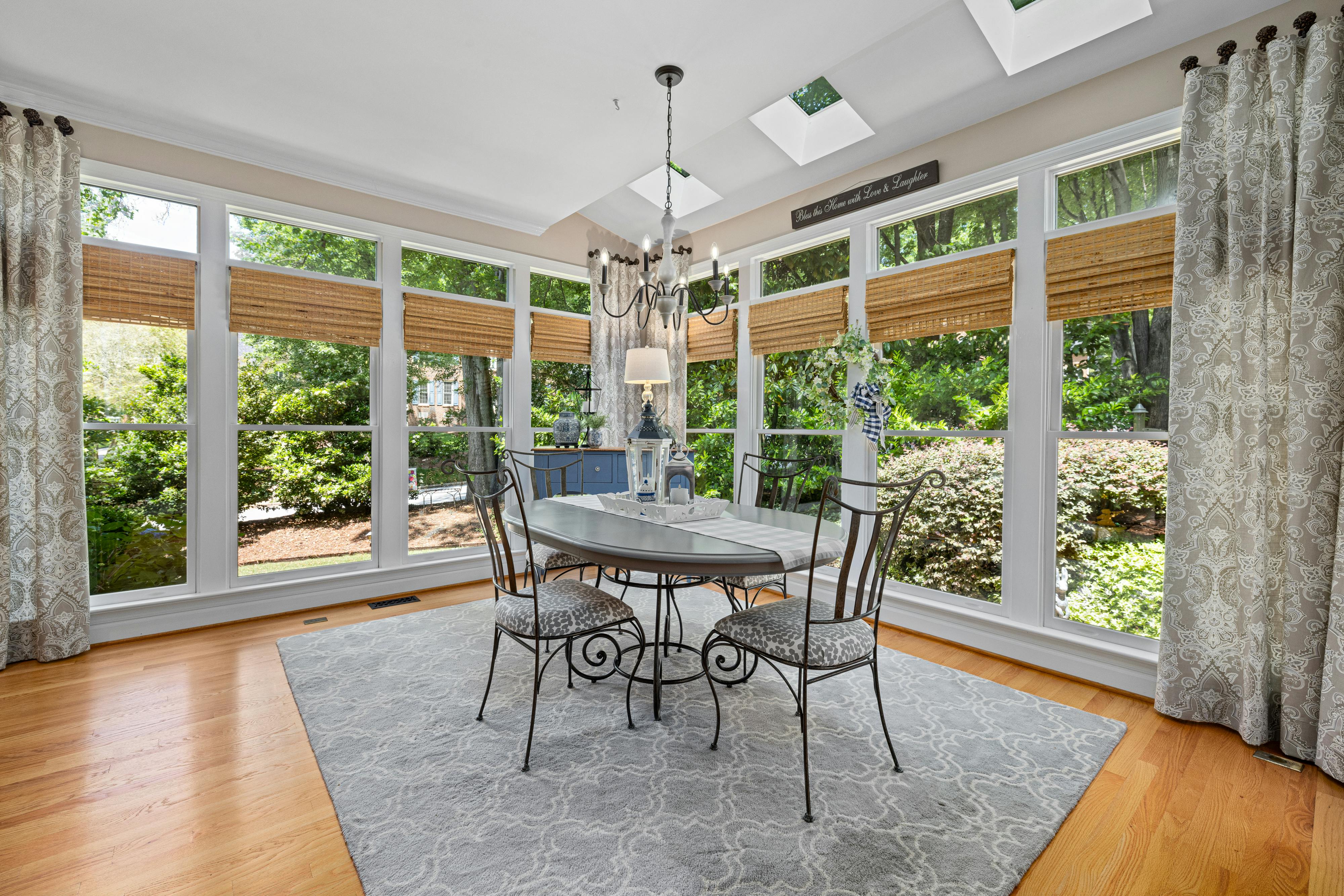
Choosing the perfect window treatments can transform a space, balancing light, privacy, and style while enhancing energy efficiency. With countless options on the market, finding the right solution near you may feel overwhelming. This guide breaks down the essential factors to consider, helping homeowners and designers make informed decisions that align with both aesthetic goals and functional needs.
Assess Your Space and Functional Requirements
Before diving into styles and fabrics, evaluate the specific needs of each room. Different areas demand distinct considerations:
- Light control: Determine how much natural light you want to let in. Bedrooms often require blackout options, while living rooms may benefit from sheer layers that soften glare.
- Privacy level: Ground-floor rooms or spaces facing busy streets typically need more opaque treatments.
- Energy efficiency: Insulating fabrics or cellular shades can reduce heating and cooling costs.
- Maintenance: High-traffic areas benefit from easy-clean materials that resist dust and fading.
Identify Your Design Style
Window treatments should complement the overall interior design. Consider the following style categories and the corresponding treatment types that work best:
Modern & Minimalist
- Flat panels, roller shades, and sleek motorized blinds.
- Neutral palettes, grays, whites, and muted earth tones.
- Clean lines with minimal hardware.
Traditional & Classic
- Wooden blinds, Roman shades, and drapery with ornate valances.
- Rich fabrics such as silk, velvet, or heavy linen.
- Details like tassels, tie-backs, and decorative rods.
Coastal & Casual
- Light, breezy fabrics, bamboo shades, and natural textures.
- Soft blues, sea-foam greens, and sandy neutrals.
- Easy-fold or caf?? curtains for a relaxed vibe.
Measure Accurately
Precise measurements are crucial for a flawless fit. Follow these steps:
- Measure the width at three points (top, middle, bottom) and use the narrowest measurement.
- For inside-mount installations, subtract ?? inch from each side to allow clearance.
- For outside-mount, add at least 2-3 inches on each side for optimal light blockage.
- Measure the height from the mounting point to the desired finish line, usually the floor or a set distance above it.
Explore Material Options
Material choice impacts durability, light filtration, and acoustic performance. Common selections include:
- Fabric: Versatile, available in countless prints; ideal for drapery and Roman shades.
- Wood & Faux Wood: Adds warmth; suitable for blinds in living areas and offices.
- Vinyl & Polyester: Moisture-resistant, perfect for kitchens and bathrooms.
- Metal: Sleek and durable; often used for contemporary blinds.
- Cellular (Honeycomb) Shades: Excellent insulation and light diffusion.
Consider Custom vs. Ready-Made Solutions
Standard sizes work for many projects, but custom options provide a tailored fit and unique design possibilities. When a precise match is essential, such as irregular window shapes, high ceilings, or specific fabric requests, custom window treatments become invaluable. For those seeking convenience, ready-made window treatments are widely available at home improvement stores and online retailers.
Local Availability and Professional Assistance
Finding reliable providers nearby simplifies installation and service. Searching for window treatments near me yields professionals who can offer in-home consultations, precise measurements, and expert mounting. Local specialists also understand regional climate considerations, which can influence material selection for energy efficiency.
Benefits of Working with Local Experts
- Quick response times for measurements and quotes.
- Personalized design advice that reflects community trends.
- On-site installation ensures proper fit and operation.
- After-sale support for adjustments or repairs.
Budget Planning
Set a realistic budget by breaking down costs:
- Product price: Varies by material, size, and customization level.
- Hardware: Brackets, motorized systems, and decorative finials.
- Installation: Professional mounting versus DIY.
- Maintenance: Cleaning supplies and occasional repairs.
When budgeting, prioritize long-term value. Higher-quality fabrics or insulated shades may have a larger upfront cost but can lower energy bills and extend the lifespan of the treatment.
Integrate Smart Technology
Modern homes increasingly incorporate automation. Motorized blinds and shades can be controlled via smartphone apps, voice assistants, or scheduled timers. If tech integration aligns with your lifestyle, look for products compatible with popular platforms such as Alexa, Google Home, or Apple HomeKit.
Make the Final Decision
After evaluating function, style, measurement, material, and budget, narrow your choices to a shortlist. Compare options by:
- Requesting samples to assess color and texture in natural light.
- Reviewing warranty terms and return policies.
- Checking customer reviews for durability and service quality.
Once satisfied, place the order through a reputable source. For those residing in the Bay Area, exploring window treatments in Petaluma offers a convenient selection of both ready-made and custom window treatments near me, ensuring a seamless blend of style and functionality.
Conclusion
Choosing the right window treatments involves a balanced approach, understanding the unique demands of each space, aligning with personal aesthetic, and leveraging local expertise. By following the steps outlined above, homeowners can confidently select solutions that enhance comfort, curb energy costs, and elevate the visual appeal of any room.
About the Author