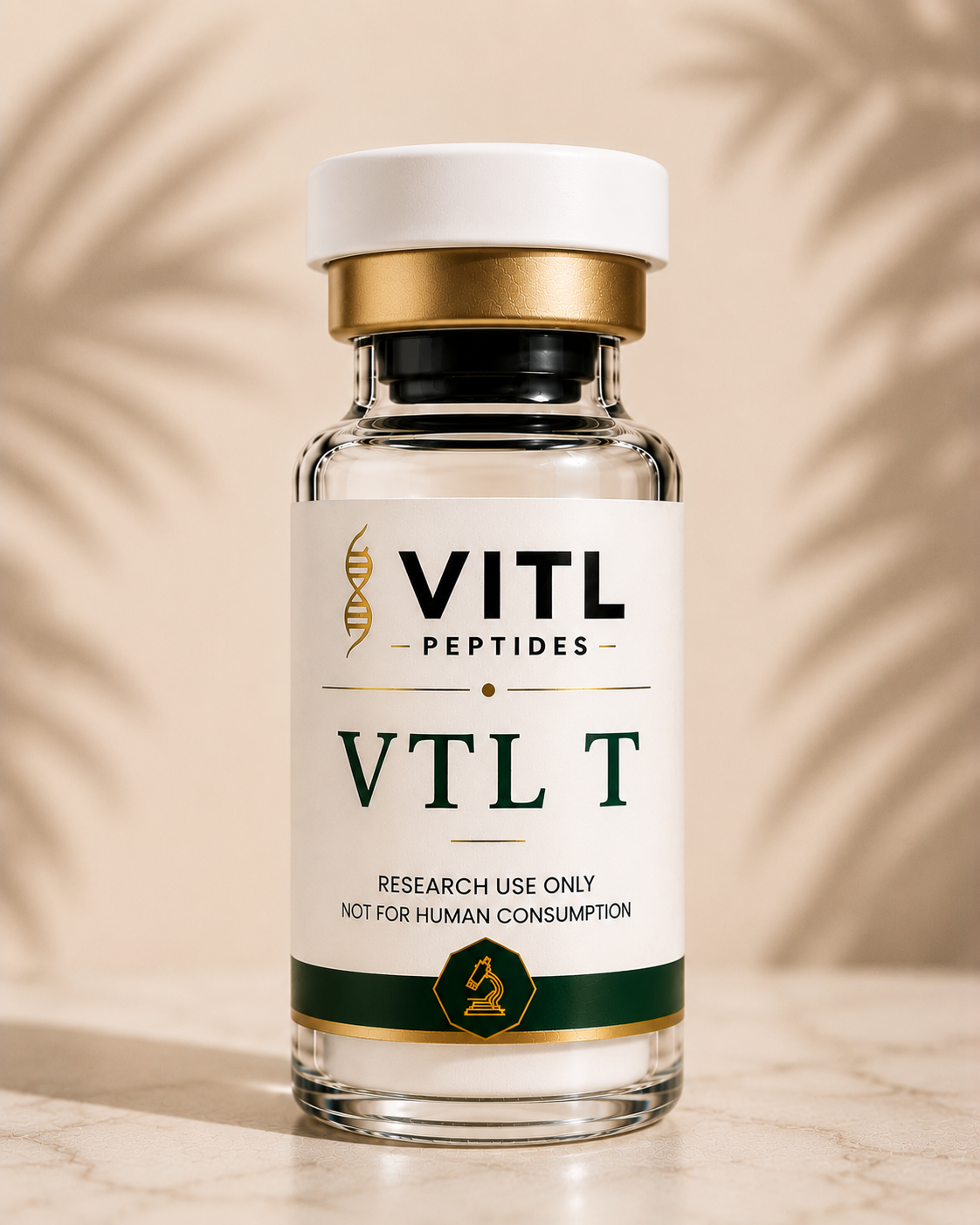
In the ever-evolving landscape of scientific research, peptides have emerged as pivotal tools in the exploration of biological processes. Among these, the VTL-T research peptide has garnered attention for its potential applications across various domains. As researchers delve deeper into the intricacies of this peptide, the implications of their findings could significantly advance our understanding of numerous physiological and biochemical pathways. This article delves into the benefits of utilizing VTL-T in research settings, highlighting its potential impact and applications.
Understanding the VTL-T Research Peptide
The VTL-T research peptide is a synthetic compound designed to mimic certain natural peptides found within the body. Its structure and composition make it a valuable tool for scientific study. Researchers have been exploring its capabilities to understand how it interacts with different biological systems.
Applications in Biological Research
VTL-T is particularly useful in laboratory settings for the following reasons:
- It provides insight into cellular signaling pathways.
- It aids in the study of protein-protein interactions.
- It serves as a model for drug development and testing.
By utilizing research grade VTL-T, scientists can simulate and study complex biological processes in a controlled environment, leading to a deeper understanding and potential breakthroughs in medical research.
Benefits of Using VTL-T in Research
The benefits of employing the VTL-T research peptide extend beyond mere academic interest. Its applications can significantly enhance the quality and accuracy of scientific insights.
Precision and Accuracy
- VTL-T offers high specificity, allowing researchers to target particular pathways or molecules with precision.
- This specificity reduces the likelihood of off-target effects, ensuring more accurate results.
Such precision is crucial in VTL-T laboratory research, where the aim is often to delineate intricate pathways or test the efficacy of potential therapeutic agents.
Reproducibility
- The standardized nature of synthetic peptides like VTL-T ensures consistency across different experiments.
- This reproducibility is essential for validating experimental results and forming a robust basis for scientific conclusions.
Reproducibility is a cornerstone of credible research, particularly in fields such as pharmacology and molecular biology.
VTL-T in Therapeutic Research
Beyond basic research, the VTL-T peptide for sale has potential therapeutic applications. Its ability to emulate natural peptides could position it as a candidate for therapeutic development.
Potential Therapeutic Implications
- VTL-T may aid in the design of peptide-based therapeutics.
- It could serve as a scaffold for developing drugs with enhanced efficacy and reduced side effects.
The ongoing VTL-T research USA endeavors aim to unlock these possibilities, potentially leading to new treatments for various conditions.
The Future of VTL-T Research
As the scientific community continues to explore the capabilities of glp tz, it is clear that VTL-T holds significant promise. The insights gained from these studies could pave the way for novel approaches in both basic and applied sciences.
In conclusion, the VTL-T research peptide stands as a testament to the power of synthetic biology in advancing scientific knowledge. Its applications in research and potential therapeutic uses underscore its importance as a tool for contemporary scientific inquiry, promising a bright future for discoveries in biological sciences.
About the Author